淺談紅肉、白肉與健康--
紅肉,白肉,不是單憑顏色就分得出來。禽鳥類一定是白肉,獸類牲畜一定是紅肉?該如何分辨?
其實一種肉屬於紅肉還是白肉,取決於它的肌紅蛋白數量。肌紅蛋白是一種帶氧蛋白,當它處於帶氧狀態的時候,就會呈紅色。如果肉類中的肌紅蛋白數量較高,那款肉就是紅肉。一般來說就是,牛、豬、鴨、鵝、羊、鴕鳥肉等等。相反,肌紅蛋白數量較少,雞、魚、海鮮等等,就是白肉。
不過又不能一概而論,以雞為例,雞胸雞翅都是白肉,但雞腿的肌紅蛋白較高,屬於紅肉。又例如牛肉,犢牛肉是白肉,因為肌紅蛋白數量不多,但成牛的肉就是紅肉了。
一般認為白肉比紅肉健康,是因為紅肉通常含較高飽和脂肪,但也同時擁有較高的鐵質和鋅。實際依部位而有例外,例如豬里肌肉是紅肉,但脂肪低、膽固醇低。雞翅是白肉,但脂肪高、膽固醇高,反而不及豬里肌肉健康了。
有人問,雞是白肉,那雞的內臟呢?大部份內臟,都屬於紅肉,而且一般膽固醇較高。
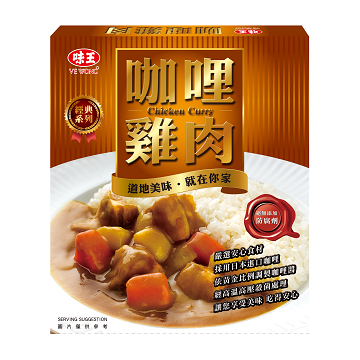
由於本公司咖哩雞肉產品係選用雞腿肉部位,雞肉料理前會先用醬油等其他配料滷煮入味,所以該咖哩雞肉的雞腿肉會看起來色澤較為紅潤、口感較重。敬請消費者安心食用。 |
精選上等雞肉搭配新鮮蔬菜 (洋蔥、紅蘿蔔、馬鈴薯) ,
加上採用日本頂級進口咖哩原料及數十餘種香辛料熬製而成的咖哩醬汁,香濃美味、色香俱全。
使用自炸豬油
食用方法
將調理袋(不可撕開)浸泡於沸騰開水中,3~5分鐘即可食用
(浸泡時間可依個人喜好的熱度稍作調整)
過敏原:牛奶、小麥、大豆。
|
營 養 標 示
|
|
每一份含量 200公克
|
|
本包裝含 1份
|
|
|
每份
|
每100公克
|
|
熱量
|
266
|
大卡
|
133
|
大卡
|
|
蛋白質
|
13.4
|
公克
|
6.7
|
公克
|
|
脂肪
|
15.7
|
公克
|
7.9
|
公克
|
|
飽和脂肪
|
5.7
|
公克
|
2.9
|
公克
|
|
反式脂肪
|
0
|
公克
|
0
|
公克
|
|
碳水化合物
|
17.8
|
公克
|
8.9
|
公克
|
|
糖
|
6.9
|
公克
|
3.5
|
公克
|
|
鈉
|
695
|
毫克
|
348
|
毫克
|
營養標示數據若與包裝上略有差異時,以實際包裝上標示為準
保存方法:常溫保存,避免調理包刺破、重摔。
膨包或破損時,請勿食用。
Ø調理包在失智症照顧中的角色
1.減輕照顧者負擔
l照顧失智症患者需要大量時間與精力,調理包能快速提供餐食,減少備餐壓力。
l尤其在長期照護中,照顧者容易疲憊,調理包能成為「省時省力」的工具。
2.確保營養與安全
l有些調理包設計成低鹽、低油或高纖版本,能符合失智症患者的飲食需求。
l避免照顧者因忙碌而隨便準備,導致患者營養不足或飲食不均衡。
3.維持規律與熟悉感
l失智症患者常需要「固定的飲食習慣」來減少混亂。調理包能提供一致的味道與形式,幫助建立安全感。
l例如每天早餐固定使用某品牌的粥或湯品,患者會覺得熟悉、安心。
4.降低意外風險
l失智症患者若自行烹煮,可能忘記關火或誤用食材。調理包只需加熱,能降低危險。
Ø整理比較表
|
面向
|
傳統烹煮
|
使用調理包
|
|
照顧者負擔
|
高,需備料、烹煮、清理
|
低,快速加熱即可
|
|
營養控制
|
需自行設計食譜
|
可選擇營養標示清楚的產品
|
|
患者安全
|
有火源、刀具風險
|
只需加熱,風險低
|
|
規律性
|
口味可能變動
|
味道固定,增加熟悉感
|
|
時間效率
|
耗時
|
節省時間
|
✅ 結論:調理包在失智症照顧中最大的益處是 減輕照顧者壓力、確保患者營養與安全、維持規律感。它不是「治療工具」,但卻是非常實用的 生活支持方案。
ØRole of Meal Packs in Dementia Care
1.Reducing caregiver burden
lPreparing meals from scratch takes time and energy. Meal packs allow caregivers to provide food quickly, easing daily stress.
lThis is especially valuable in long�term care, where caregiver fatigue is common.
2.Ensuring nutrition and safety
lMany meal packs are designed with clear nutrition labels, sometimes low�salt, low�fat, or high�fiber. This helps meet dietary needs of dementia patients.
lIt prevents situations where caregivers, due to exhaustion, might prepare unbalanced meals.
3.Maintaining routine and familiarity
lDementia patients often benefit from consistent routines. Having the same type of meal pack regularly can create a sense of stability and comfort.
lFamiliar flavors reduce confusion and anxiety.
4.Lowering risk of accidents
lDementia patients cooking on their own may forget to turn off the stove or misuse tools. Meal packs only require simple heating, minimizing hazards.
ØComparison Table
|
Aspect
|
Traditional Cooking
|
Using Meal Packs
|
|
Caregiver workload
|
High – prep, cook, clean
|
Low – quick heating
|
|
Nutrition control
|
Requires planning
|
Clear labels, easy selection
|
|
Patient safety
|
Fire/knife risks
|
Minimal risk, simple process
|
|
Routine consistency
|
Variable taste
|
Stable, familiar flavors
|
|
Time efficiency
|
Time�consuming
|
Saves time
|
✅ Conclusion: Meal packs are not a medical treatment, but they are a supportive tool in dementia care. Their main benefits are reducing caregiver stress, ensuring balanced nutrition, maintaining patient familiarity, and lowering safety risks.
|